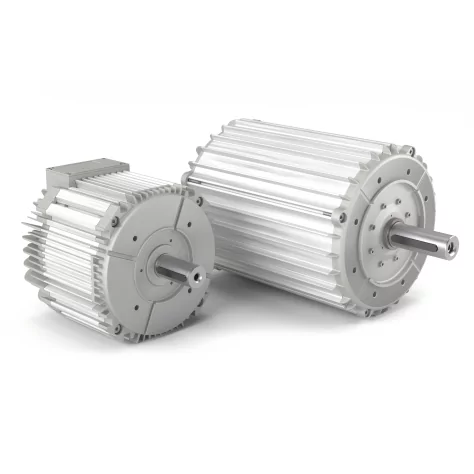
We work hand in hand with our clients to develop and evolve products over time
Research, develop and grow with us

C1D2 Ventilation Motors: High Protection, High Efficiency, Built for Demanding Environments
Industrial ventilation in demanding environments leaves no room for compromise. Wherever there is a risk of flammable gases or vapours being present, the system must operate reliably and without any risk of ignition. Motors designed for Class 1 Division 2 (C1D2) environments are a direct response to these requirements.
What does C1D2 mean?
Class 1 Division 2 refers to environments where flammable substances are not normally present under standard operating conditions but may occur due to a fault or leakage. During normal operation, the motor must prevent sparking, avoid excessive overheating, and ensure stable performance. Compared to Division 1 designs, C1D2 motors are not explosion-proof, but they still provide a high level of protection for demanding industrial applications.
Where are they used?
Today, C1D2 motors are standard in the chemical, oil and gas industries, fuel storage facilities, gas installations, and industrial ventilation systems, essentially wherever ventilation operates continuously, 24 hours a day.
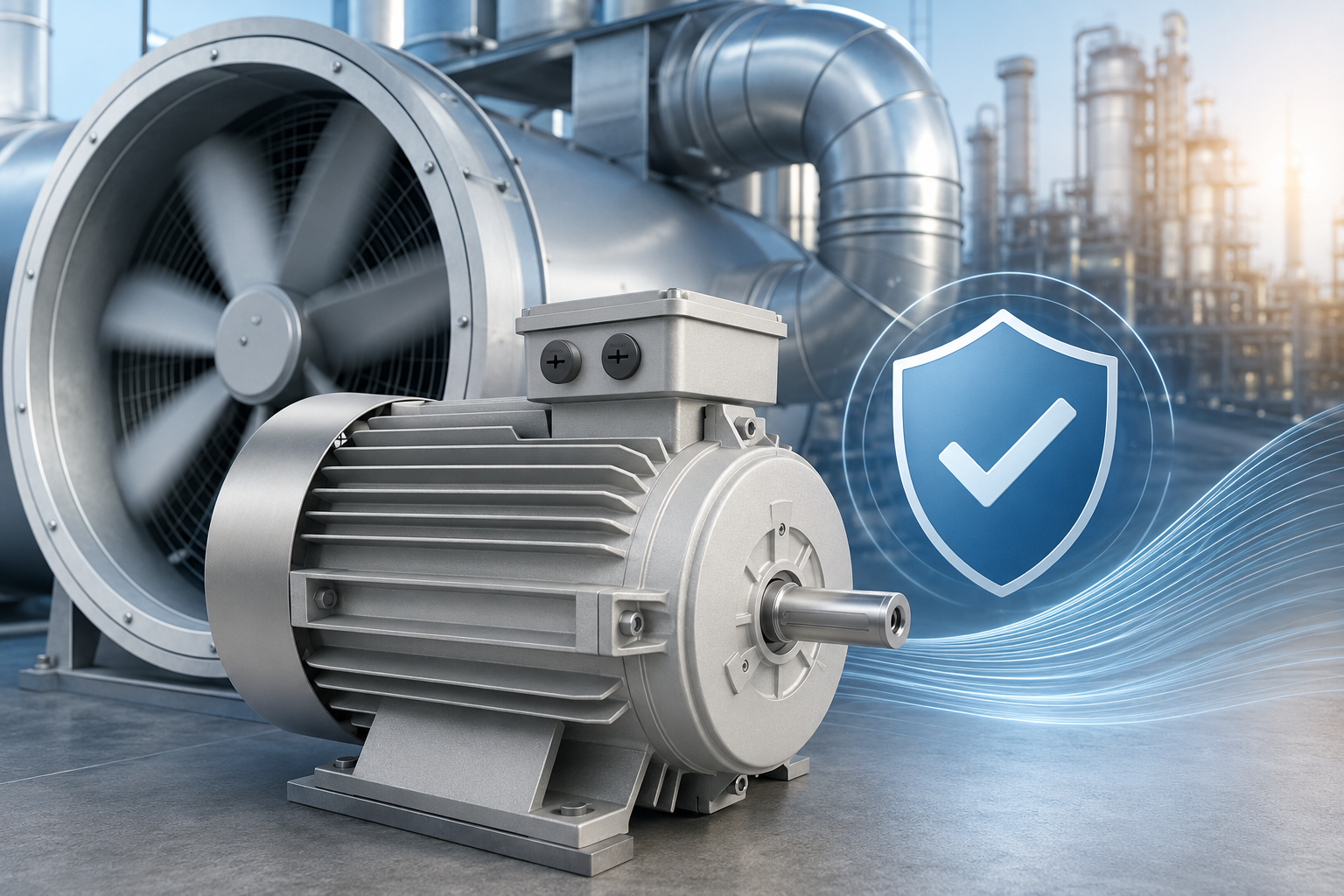
Why is part-load efficiency critical?
Ventilation systems rarely operate at full power. Most of the time, they run under partial load, adjusted to the actual system demand. In continuous operation, efficiency differences quickly add up and directly affect energy consumption, component wear, and total cost of ownership.
High efficiency means lower heat generation, more stable operation, and a longer system lifetime.
Advantages of PMSM technology
Modern C1D2 ventilation motors are often based on PMSM technology (Permanent Magnet Synchronous Motor), which delivers high efficiency across the entire operating range, including lower speeds where conventional AC motors often lose efficiency. The result is lower energy consumption and more precise adaptation to actual system requirements.
Robust design for demanding environments
Performance without reliability is not enough. C1D2 motors are designed with enhanced sealing, higher-quality connectors, and IP65 protection, ensuring resistance to moisture and dust. The T3 temperature class further limits the motor surface temperature to a safe level, reducing the risk of ignition.
C1D2 ventilation motors combine safety, robustness, and energy efficiency, which in demanding industrial environments is not a luxury, but a necessity.
Keywords: C1D2 ventilation motors, Hazardous area ventilation, Industrial ventilation systems, High-efficiency EC motors, IP65 industrial motors, T3 temperature class motors, Explosion-safe ventilation solutions
More Domel insights:
The electrification of industry is increasing demand for permanent magnets and critical raw materials.
Read article
Technology alone does not shape the future. People do. People who dare to think differently, explore new paths and develop solutions that change the way we live and move.
Read article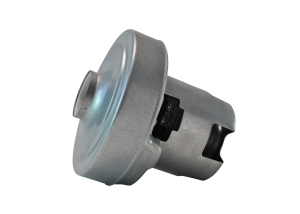
As copper prices continue to rise, manufacturers are facing increasing pressure to control material costs while reducing resource consumption. At Domel, we have turned this challenge into an opportunity by developing proven aluminium winding solutions that reduce reliance on copper while maintaining the quality and reliability our customers expect.
Read article
At Domel, ensuring high-quality products and processes has a long-standing tradition. We continuously build on this foundation through ongoing improvement and a responsible approach to the environment. Our commitment is also reflected in internationally recognized management system standards.
Read article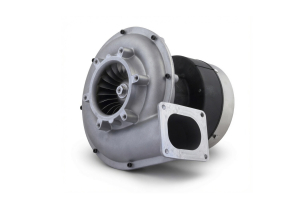
Domel has introduced its IP55-protected brushless EC blowers into serial production, providing a reliable solution for demanding industrial applications exposed to moisture, dust, temperature fluctuations, and other harsh environmental conditions.
Read article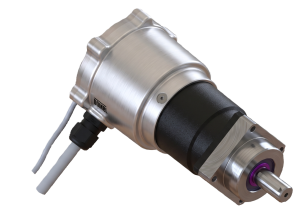
Domel develops customized BLDC gear motors with encoders and brakes for autonomous guided vehicles (AGVs), autonomous mobile robots (AMRs), unmanned ground vehicles (UGVs), and other mobile robotic platforms.
Read article